
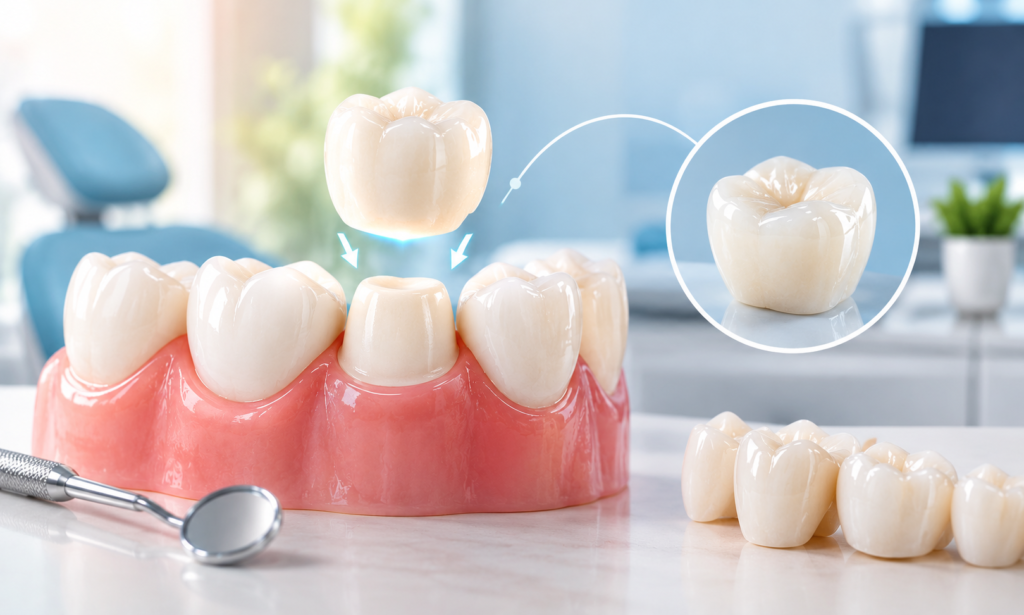
Zirconia Crown Price in India: Cost, Types and Benefits
- Dr. C. A. Prakash, M.D.S., M.B.A.
Summarize this blog post with:
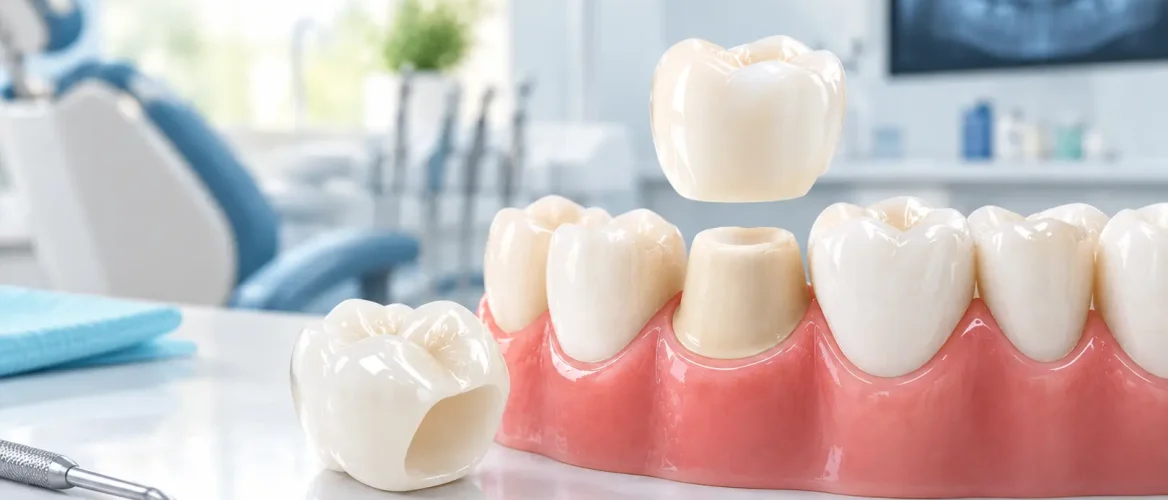
The zirconia crown price in India typically ranges from ₹8,000 to ₹15,000 or more per tooth, depending on the type of zirconia, dental laboratory, clinic, and treatment requirements. Premium zirconia crowns may cost more, while metal and porcelain-fused-to-metal (PFM) crowns are generally more affordable alternatives.
If you are considering a dental crown to protect a damaged tooth or restore your smile after Root Canal Treatment in Chennai, understanding the available materials and their costs can help you make an informed decision. This guide explains zirconia crown cost, compares common dental crown types, and highlights the factors to discuss with your dentist before treatment.
What Is a Dental Crown?
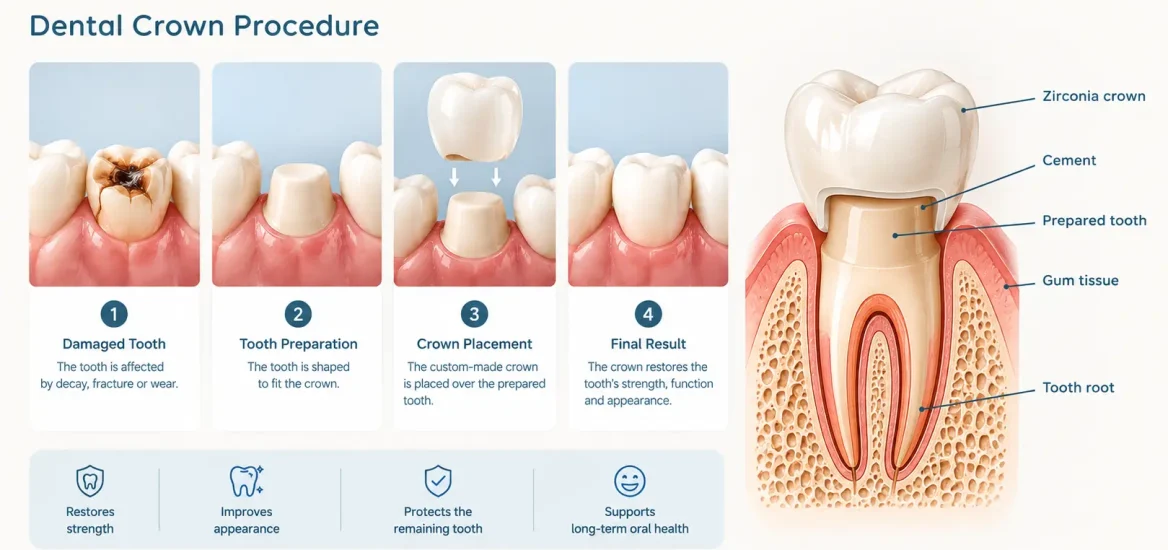
A dental crown, commonly called a tooth cap, is a custom-made covering placed over a damaged or weakened tooth. It helps restore the tooth’s shape, strength, function, and appearance.
A dentist may recommend a crown when a tooth has extensive decay, a fracture, significant wear, or requires additional protection following root canal treatment. Crowns can also be placed over dental implants when clinically appropriate.
The material selected depends on the tooth’s condition, its position in the mouth, your bite, appearance preferences, and budget.
What Is a Zirconia Crown?
A zirconia crown is a tooth-coloured dental restoration made from zirconium dioxide, a strong ceramic material. It is designed to cover and protect a prepared tooth while restoring its function and appearance.
Zirconia crowns are used for both front and back teeth, depending on the specific material and the patient’s clinical needs.
Key Benefits of Zirconia Crowns
Dental Implant Surgery in Chennai
Avoid forceful spitting, vigorous rinsing, and using a straw during the early healing period
Natural appearance
Tooth-coloured material can blend with neighbouring teeth when properly selected and finished
Metal-free composition
Zirconia does not contain a metal substructure.
Versatility
Different zirconia formulations can be selected to balance strength and aesthetics.
Custom fit
Each crown is fabricated to match the prepared tooth and the patient’s bite
Zirconia is not automatically the best option for every patient. Your dentist should assess your tooth, bite, and aesthetic requirements before recommending a material.
What Is the Zirconia Crown Price in India?
The zirconia crown price in India varies according to the material grade, design, laboratory process, and clinic. As a broad reference, a standard zirconia crown may cost around ₹8,000–₹15,000 per tooth, while premium options may exceed this range.
| Type of dental crown | Indicative price per tooth |
|---|---|
| Metal crown | ₹2,500–₹7,000 |
| PFM crown | ₹4,000–₹8,000 |
| PFM-DMLS crown | ₹8,000 onwards |
| Standard zirconia crown | ₹8,000–₹15,000 |
| Premium or high-aesthetic zirconia | ₹15,000 onwards |
| All-ceramic crown | ₹12,000 onwards |
These are approximate reference ranges for private dental care in India, not a fixed national price list. Actual fees may fall outside these ranges. Confirm the material, inclusions, and final quotation with your dental clinic.
How Much Does One Zirconia Tooth Cost?
The cost of one zirconia tooth generally refers to the price of one zirconia crown placed over an existing tooth. A standard crown may fall within the indicative range above, while premium materials or more complex treatment can increase the cost.
If several teeth need crowns, the total treatment estimate will depend on the number of teeth and the work required for each one. Ask your dentist for an itemised estimate before beginning treatment.
For a Chennai-specific overview, see our Zirconia Crown Price in Chennai page.
Types of Dental Crowns and Their Differences
Different crown materials offer different combinations of strength, appearance, and affordability. Understanding these differences can help you discuss the most suitable option with your dentist.
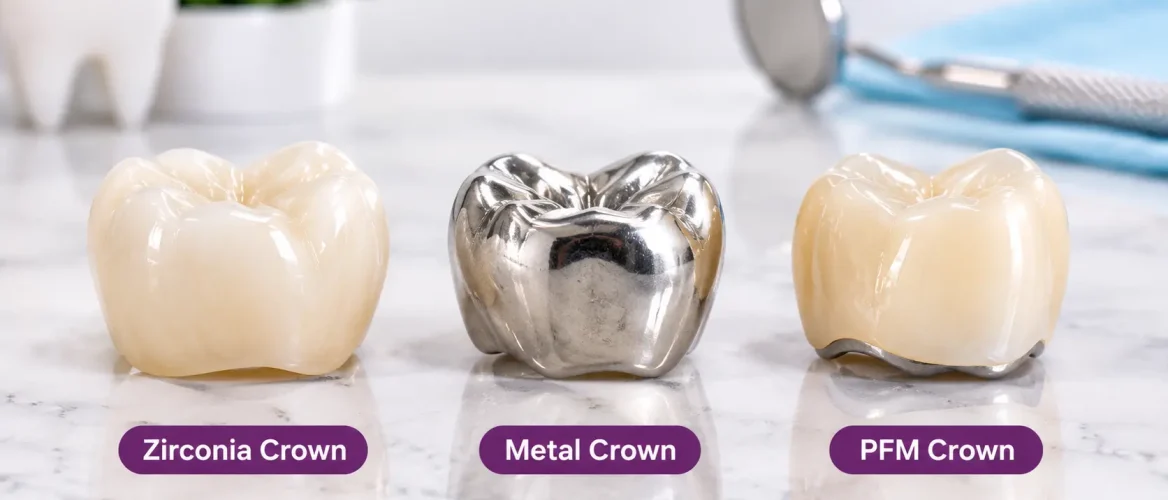
- Zirconia Crowns
Zirconia crowns are tooth-coloured and can offer a combination of strength and appearance. Different formulations are available, including options designed for greater strength and others that prioritise translucency.
- Metal Crowns
Metal crowns are known for their durability and are generally among the more affordable options. However, their metallic appearance makes them less suitable when a natural tooth colour is important.
- Porcelain-Fused-to-Metal (PFM) Crowns
PFM crowns combine a metal base with a tooth-coloured porcelain exterior. They offer a balance of strength and appearance, although the metal underneath can sometimes become visible near the gumline.
- All-Ceramic Crowns
All-ceramic crowns are made without a metal substructure and are often considered when appearance is a priority. Different ceramic materials have different strength and translucency characteristics.
Zirconia vs Metal vs PFM Crowns
| Feature | Zirconia | Metal | PFM |
|---|---|---|---|
| Appearance | Tooth-coloured | Metallic | Tooth-coloured exterior |
| Metal-free | Yes | No | No |
| Strength | High, depending on formulation | Generally high | Depends on design and materials |
| Aesthetic suitability | Front or back teeth, depending on the case | Usually selected where appearance is less important | Front or back teeth, depending on the case |
| Relative cost | Usually higher | Usually lower | Often between metal and zirconia |
There is no single crown material that is ideal for everyone. The right choice depends on your oral health, the tooth being restored, your bite, appearance preferences, and budget.
What Affects the Cost of a Zirconia Crown?
The final zirconia crown cost depends on more than the material alone. Several factors can influence your treatment estimate.
- Type and Grade of Zirconia
Different zirconia materials offer different balances of strength and translucency. Premium aesthetic options may cost more because of their material specifications and fabrication requirements.
- Position of the Tooth
A crown for a front tooth may require careful shade matching and attention to translucency. A back tooth may place greater emphasis on strength and chewing forces. These requirements can influence material selection and cost.
- Condition of the Tooth
A damaged tooth may need additional treatment before a crown can be placed. Depending on the examination, this could include root canal treatment, a core build-up, or other restorative work. These procedures may be charged separately from the crown itself.
- Dental Laboratory and Fabrication
The laboratory’s materials, equipment, design process, and finishing work can affect the final cost. Ask which type of zirconia will be used and whether the quote includes laboratory charges.
- Clinic and Location
Dental fees can vary between cities and clinics because of differences in operating costs, equipment, laboratory arrangements, and treatment complexity.
Is the Permanent Teeth Cap Price Worth It?
A permanent crown is intended to restore a tooth’s function and protect it when a dentist determines that a crown is necessary. Whether zirconia is worth the additional cost depends on your clinical needs and priorities.
When comparing options, consider:

Recovery After Wisdom Tooth Extraction: What to Expect
Healing does not happen at the same speed for everyone. A straightforward extraction may involve less discomfort than surgery to remove an impacted wisdom tooth.
- First 24 Hours: Protect the Extraction Site
Some bleeding, tenderness, and swelling are expected. Rest, avoid hot foods and drinks while your mouth is numb, and choose soft foods when you feel ready to eat. Do not rinse forcefully or spit repeatedly, as this may disturb the blood clot.
- Days 2–3: Manage Pain and Swelling
Pain and swelling may become more noticeable during the first two to three days. This can be part of the normal healing process. Continue eating soft foods, take medication as directed, and avoid strenuous activities. Swelling should generally begin to improve after its initial peak.
- Days 4–7: Gradual Healing
Many people begin to feel more comfortable during this period. You can gradually introduce more foods as tolerated, provided they do not irritate the extraction site. Continue gentle oral hygiene and attend any scheduled follow-up appointments.
- After the First Week
The gum tissue continues to heal over the following weeks, and deeper healing takes longer. Recovery may take more time after a complex surgical extraction. If pain or swelling worsens rather than improves, contact your dentist for an assessment.
How to Manage Pain After Wisdom Tooth Extraction
Pain after wisdom tooth removal is common, particularly when the anaesthetic wears off. The discomfort should generally improve over the following days.
You can support recovery by resting, using a cold pack during the early period, eating soft foods, and taking pain relief only as recommended by your dentist.
Avoid placing aspirin directly on the gum or extraction site, as it can irritate the tissue. Do not exceed the recommended dose of any medicine.
When Is Pain After Extraction a Concern?
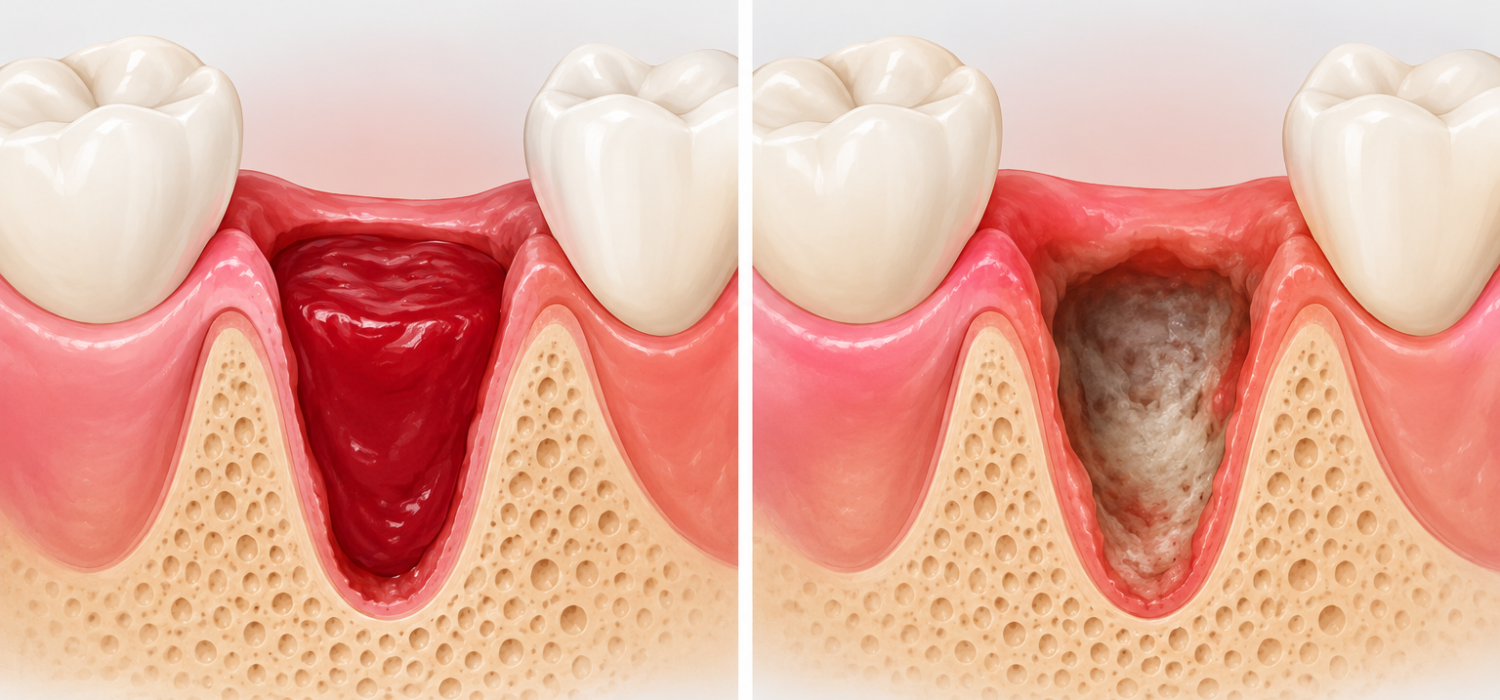
Severe or increasing pain several days after extraction may indicate a complication.
One possible cause is dry socket, which occurs when the protective blood clot is lost or does not remain in place. It can cause significant pain and sometimes an unpleasant taste or smell.
Infection may cause worsening swelling, fever, pus, or increasing discomfort. Contact your dentist promptly if you notice these symptoms.
What Can You Eat After Wisdom Tooth Extraction?
Soft foods reduce the need for chewing and help prevent irritation around the healing area. Choose foods that are comfortable to eat and follow any dietary instructions from your dentist.
Can I Eat Ice Cream After Wisdom Tooth Extraction?
Yes, plain, smooth ice cream can usually be eaten after extraction if you tolerate it well. Choose varieties without nuts, hard pieces, or crunchy toppings.
Avoid using a straw, and stop eating anything that causes discomfort. If cold foods make your teeth or extraction site sensitive, choose another soft food at a comfortable temperature.
Foods to Eat During Recovery
- ✓Yoghurt and smooth pudding
- ✓Mashed potatoes
- ✓Soft scrambled eggs
- ✓Lukewarm, smooth soups
- ✓Soft porridge
- ✓Mashed banana
- ✓Well-cooked foods that require minimal chewing
Foods to Avoid After Extraction
- ×Chips, nuts, and other hard or crunchy foods
- ×Seeds and foods with small particles
- ×Very hot foods and drinks while the area is sensitive
- ×Spicy foods if they cause irritation
- ×Alcohol, particularly when taking medicines that may interact with it
Drink water gently and stay hydrated. Smoking and vaping should also be avoided while the wound heals. Return to your normal diet gradually as your comfort improves.

How Long Does Wisdom Tooth Extraction Recovery Take?
Many patients feel substantially better within a few days to a week, but the exact recovery time varies. The position of the tooth, the extent of surgery, and individual healing can affect the timeline.
A simple extraction may involve a shorter recovery, while removing an impacted lower wisdom tooth may require more healing time.
Your dentist can give you a more personalised estimate after examining your tooth. Remember that feeling better does not necessarily mean the extraction site has completely healed.
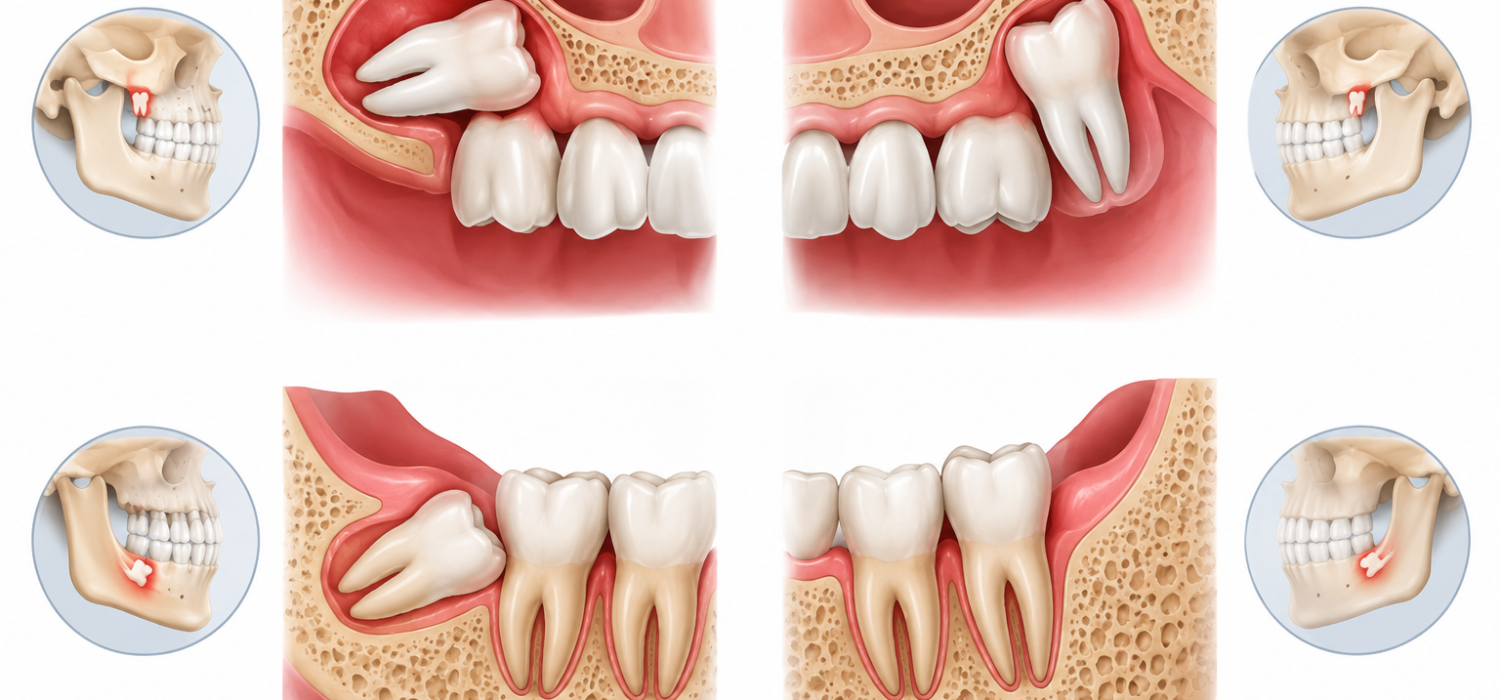
What Is the Difference Between Upper and Lower Wisdom Tooth Extraction?
Upper and lower wisdom teeth can differ in their position, root anatomy, and relationship to nearby structures. These differences may influence how the tooth is removed and how recovery progresses.
Lower wisdom teeth are sometimes impacted because there is insufficient space for them to emerge. Removing an impacted tooth may require an incision in the gum or other surgical steps.
However, not every lower wisdom tooth extraction is difficult, and some upper wisdom teeth also require surgical removal.
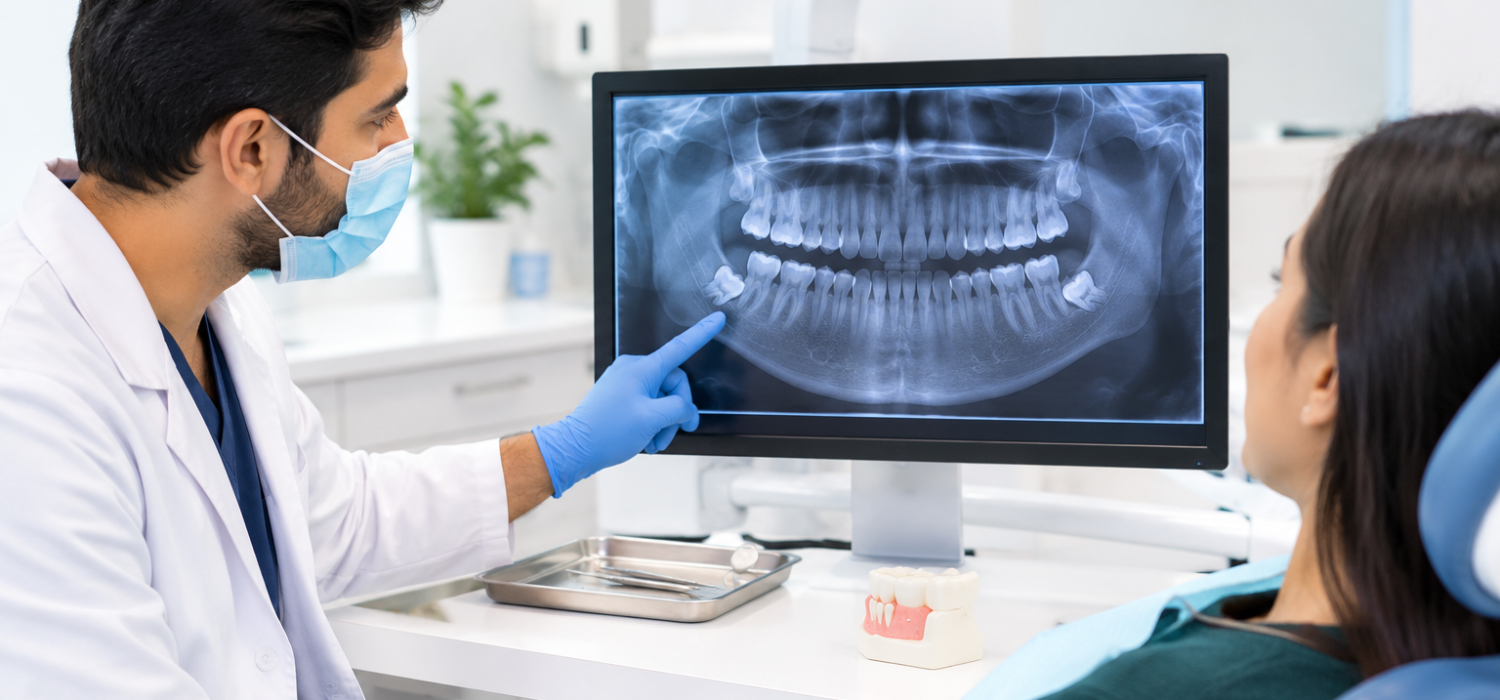
An examination and dental X-rays, when indicated, help the dentist understand the tooth’s position and plan the procedure.
What Affects Wisdom Tooth Extraction Cost?
The cost of wisdom tooth extraction varies depending on the tooth’s position and the treatment required. A straightforward removal may cost less than a surgical extraction of an impacted tooth.
Factors that can influence the total cost include:
- Complexity of removal
Impacted teeth may require additional surgical steps.
- Dental examination and X-rays
Diagnostic tests may contribute to the total cost.
- Anaesthesia requirements
The type of anaesthesia and related services can affect pricing.
- Medication and follow-up
Prescribed medicines and review appointments may be included or charged separately.
For an accurate estimate, ask your dentist to assess your condition and explain what is included in the quotation before treatment. You can also read about our wisdom tooth extraction in Chennai service.
What Happens During Wisdom Tooth Extraction Surgery?
The procedure depends on whether the wisdom tooth has fully erupted or remains partly or completely beneath the gum.
- Examination and Treatment Planning
The dentist checks the tooth and surrounding tissues. X-rays may be required to assess its position and plan removal.
- Anaesthesia
Local anaesthesia is commonly used to numb the area. Your dentist will discuss suitable options based on your needs and the complexity of the procedure.
- Removing the Tooth
An erupted tooth may be removed using dental instruments. For an impacted tooth, the dentist may need to open the gum and, in some cases, divide the tooth into smaller sections.
- Aftercare Instructions
After removal, the dentist explains how to manage bleeding, clean your mouth, choose foods, take prescribed medicines, and recognise possible complications.
Following these instructions helps you understand what to do during recovery.
When Should You Contact a Dentist?
Some discomfort is normal after extraction, but certain symptoms require professional attention.
Contact your dentist if you experience:
- Pain that becomes severe or worsens after initially improving
- Swelling that continues to increase
- Fever, pus, or signs of infection
- Persistent bleeding
- Difficulty opening your mouth that is getting worse
- Numbness that lasts longer than your dentist said to expect
Wisdom Tooth Extraction at Cap's Dental Clinic in Adambakkam
If you have pain at the back of your mouth, swelling around a wisdom tooth, or difficulty chewing, a dental examination can help identify the cause and determine whether extraction is necessary.
Cap’s Dental Clinic & Face n Jaw Centre in Adambakkam provides dental care for patients with wisdom tooth concerns. A consultation can help you understand your tooth’s condition, whether removal is recommended, the expected recovery process, and the likely treatment cost.
If you are worried about pain or the possibility of surgery, discuss your concerns with the dental team before proceeding. Understanding the procedure and aftercare plan can help you feel more prepared.
Need Advice About Your Wisdom Tooth?
Contact Cap’s Dental Clinic to arrange a consultation and discuss the appropriate treatment for your wisdom tooth.
Frequently Asked Questions
Rest, follow your dentist’s instructions for gauze and bleeding, protect the blood clot, and avoid forceful rinsing or using a straw. Choose soft foods when you are ready to eat.
Pain is often most noticeable during the first two or three days and should gradually improve. Severe or increasing pain needs dental assessment.
Plain, smooth ice cream is generally suitable if you tolerate it well. Avoid hard toppings and do not use a straw.
It can be more complex when the tooth is impacted or close to important structures. The difficulty depends on the individual tooth’s position and anatomy.
Dry socket may cause severe or increasing pain a few days after extraction, sometimes accompanied by an unpleasant taste or smell. Contact your dentist if you suspect it.
This depends on the complexity of the extraction and how you feel. Many people resume light activities within a few days, while strenuous exercise may need to be avoided for longer. Follow your dentist’s advice
No. A wisdom tooth that has erupted fully may be removed without a surgical incision. An impacted tooth may require a surgical approach.


